Choosing Quad Biking Dubai in Barsha Heights: A Practical Rider's Approach
Picking the right quad biking dubai option takes more than choosing the first appealing picture. The desert setting around Dubai can be exciting, but the details that matter most are practical ones: rider ability, safety standards, route style, timing, and clear terms before you commit. If you are based in or near Barsha Heights, start with the basics and work outward. That makes it easier to compare options without getting distracted by vague promises or flashy wording.
A quad bike ride is not one single experience. Some riders want a slow, guided introduction across open sand. Others want a longer desert track with more space to build confidence. There are also visitors who want a family-friendly outing with short stops and a calm pace. Before looking at any provider, decide what kind of day you want. This first step will shape every later choice, including the route, the bike type, the timing, and the level of supervision that makes sense.
Start with the rider, not the bike
Be honest about who will be riding. Quad bikes can feel manageable at low speed, but they still require balance, attention, and basic control. A beginner should look for a calm introduction, a clear safety briefing, and a route that does not demand quick reactions. A rider with off-road experience may prefer a more varied path, but even then, desert terrain is different from paved roads and city tracks. Sand shifts under the wheels, slopes can be deceptive, and visibility changes with dust and glare.
Age, height, confidence, and physical comfort all matter. If children are part of the group, check whether there are age rules, passenger rules, or separate bikes. Do not assume that everyone can share one arrangement. Confirm these points with whichever business you choose, since rules can vary and should be clear before arrival. It is also worth asking how mixed abilities are handled. A group with one nervous rider and several confident riders needs a different approach from a group of people with similar experience.
Think about clothing as part of the decision. Loose scarves, flowing sleeves, and unsecured bags can catch or distract. Closed shoes are a sensible choice, and eye protection can help with dust and bright light. In warmer months, a portable water supply is useful before and after the ride. These details do not look dramatic, yet they affect whether the outing feels comfortable from start to finish.
Decide what kind of route suits you
Once you know the rider profile, compare the route style. A short route may be enough for a first attempt, especially if the group includes beginners. A longer route can feel more rewarding, but only if the pace is sensible and the stops are planned. Watch for wording that sounds vague, such as "endless dunes" or "full adventure," without saying how the ride is managed. Clear descriptions are usually more useful than big claims.
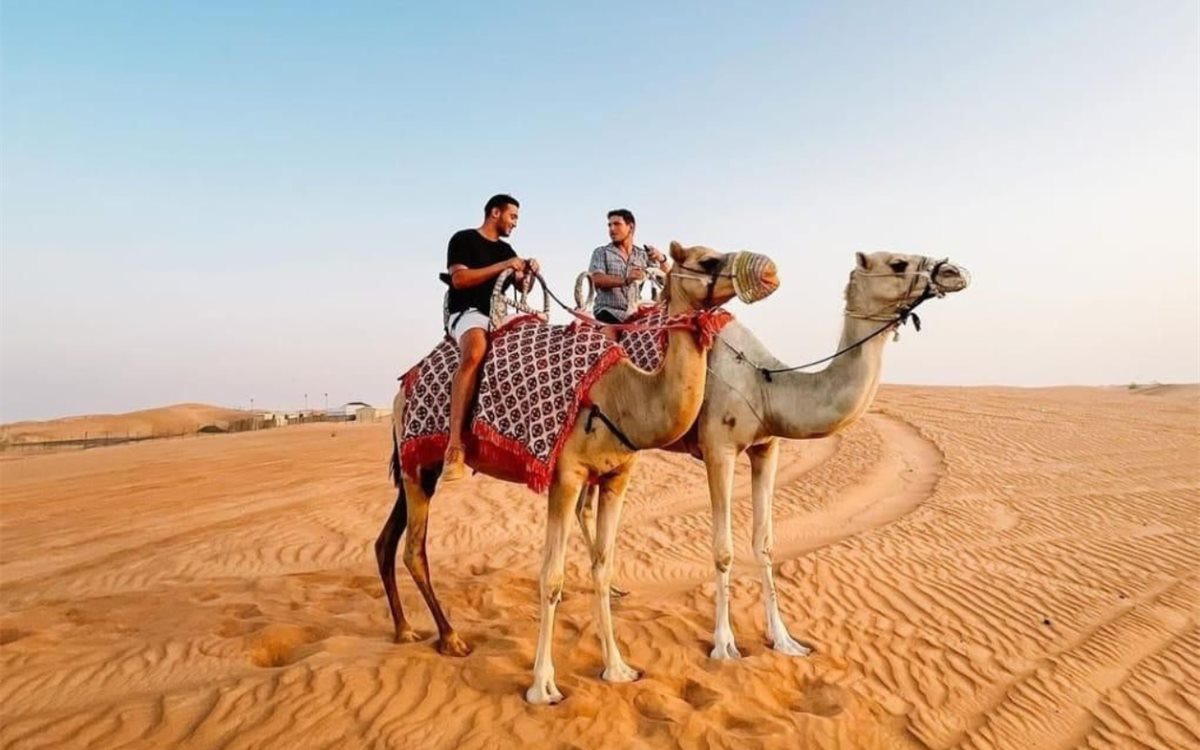
A good desert track should match the group rather than push it beyond its limits. Ask whether the route includes flat stretches, slopes, turns, or narrow sections. Beginners often do better with wide, open areas and fewer abrupt turns. More experienced riders may enjoy varied ground, but they still need a route that avoids unnecessary risk. If the route is described only in general terms, ask for a plain explanation of distance, pace, and stops.
Time of day changes the experience. A morning safari style outing often feels cooler and calmer, with softer light and more comfortable temperatures. Later rides can bring stronger heat, busier conditions, or a different feel in the sand. There is no single best time for everyone. The right choice depends on the season, the group, and how much heat the riders can tolerate. Confirm start times and meeting arrangements with whichever business you choose rather than assuming them.
Look closely at safety practices
Safety is where a careful choice makes the biggest difference. Before booking, check whether a safety briefing is part of the experience and whether basic controls are explained in plain language. Riders should understand how to start, stop, steer, slow down, and signal before moving into open sand. A brief demonstration is more useful than a rushed instruction shouted over engine noise.
Ask what protective equipment is included and what riders should bring themselves. Helmets are a common expectation for off-road riding, but fit matters as much as presence. A helmet that sits too loose or too high will not give the same confidence. Gloves can help with grip, and sturdy footwear protects feet and ankles. If equipment is shared, hygiene and condition are fair points to ask about. There is nothing awkward about wanting clean, suitable gear.
Pay attention to how speed is discussed. A responsible option will treat the quad bike speed limit as part of the ride plan, not as an afterthought. Open sand can make speed feel lower than it is, and a bike that seems slow on pavement can feel quick when the surface changes. beginners and mixed groups should have a controlled pace, with clear expectations about overtaking, spacing, and hand signals. If those points are ignored, step back and reassess.
Supervision also deserves attention. A guided ride should keep the group together enough to avoid confusion, while still allowing riders to enjoy the setting. Ask what happens if someone falls behind, gets tired, or wants to stop. The answer should sound practical and calm. A provider that takes safety seriously will have a clear plan for slower riders and will not treat every pause as an inconvenience.
Understand the self-drive element
A self-drive experience can be appealing because it gives the rider a stronger sense of control. Still, self-drive does not mean anything goes. The best version has boundaries: a defined route, clear instructions, and support nearby. Riders should know where they can go, what they should avoid, and what to do if they become unsure. Without those limits, a relaxed ride can become confusing, especially in an area where landmarks look similar.
When comparing options, ask how much freedom is actually offered. Some experiences allow riders to drive under guidance along a set path. Others may allow short periods of independent riding within a marked area. The second option can be fun for confident riders, but it needs firm rules. A sensible approach is to keep the group within sight, avoid sudden turns at speed, and stop before terrain becomes difficult to judge.
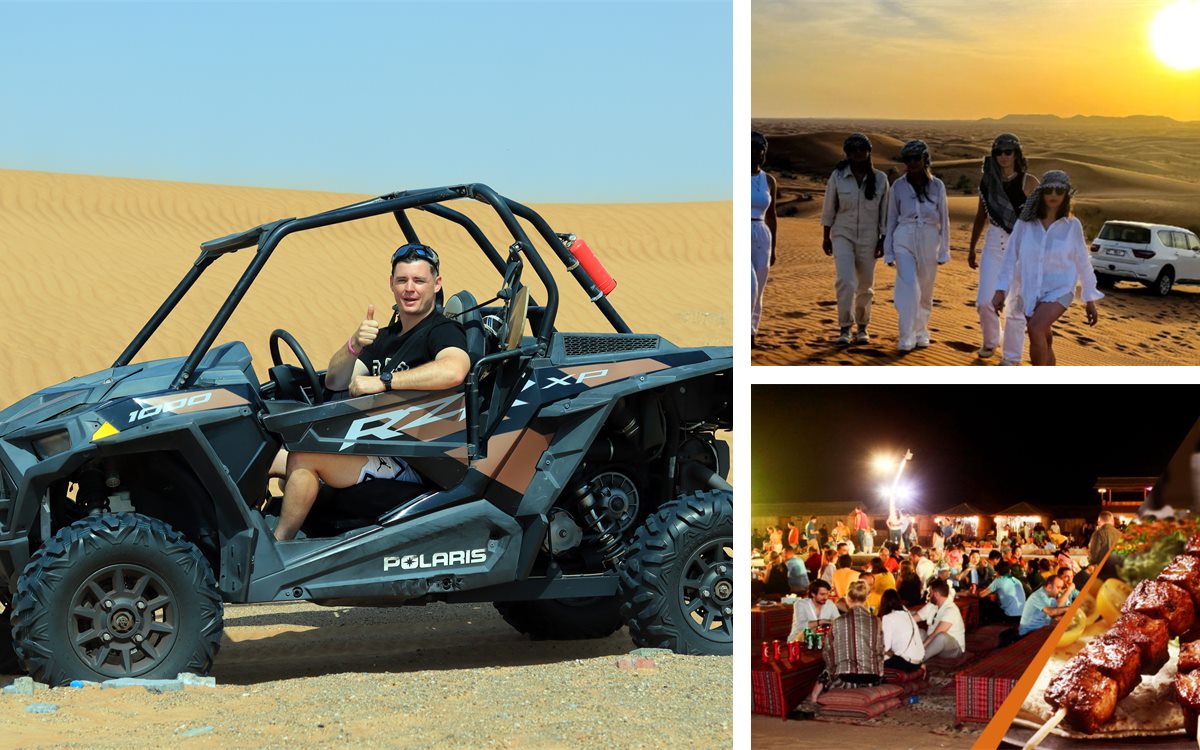
One local option is Quad Biking Dubai and Dune Buggy Ride. If that name appears while you compare choices, treat it like any other local option and check the same practical points: rider rules, route details, equipment, timing, and booking terms. Clear answers help more than impressive adjectives. Some readers may also look for the Quad Biking Dubai and Dune Buggy Ride official site while researching, but the decision should still rest on fit, safety, and transparency.
Check condition and maintenance without becoming a mechanic
Riders do not need technical training to notice basic signs of care. Look for bikes that appear clean, stable, and suitable for the route. During the briefing, notice whether controls are checked and whether staff respond to simple questions directly. Visible wear is not always a problem in off-road settings, since desert riding is demanding. Loose parts, inconsistent starting, or dismissive answers are more concerning.
Quad bike maintenance matters because terrain puts stress on tires, suspension, brakes, and steering. A provider that maintains equipment properly should be able to explain the basics without relying on jargon. Ask whether bikes are checked between rides and whether riders report issues before setting off. This is not about demanding engineering details. It is about confirming that problems are noticed before they become part of someone's ride.
Do not attempt mechanical repairs yourself, especially with brakes, fuel systems, or anything that appears damaged. If a bike behaves oddly, stop and ask for help. A qualified professional should handle mechanical faults. Riders should also avoid pushing a bike beyond their skill level just because others in the group are moving faster. A controlled stop is always better than trying to match a pace that feels uncomfortable.
Read the booking terms before paying
The final comparison is about clarity. Before paying, read the booking terms carefully. Check what is included, what is not included, and what conditions apply if plans change. Confirm meeting points, start times, rider requirements, and whether passengers are allowed. If a detail is unclear, ask for it in writing. A clear message before the day helps prevent confusion at the meeting point.
Be cautious with prices that seem impossible to compare. Without knowing what is included, a lower figure may not mean better value. Ask about the length of the ride, the route, equipment, guidance, and any extra charges. Keep the conversation practical. If answers are vague, the risk is not just financial. It may affect the whole experience, especially for beginners who need a well-managed start.
Also check cancellation and weather policies in plain terms. Desert conditions can shift, and plans can change. A fair policy should be easy to understand. Confirm these points with whichever business you choose, including whether advance booking is needed. The aim is not to find a perfect arrangement on paper. The aim is to know what you are agreeing to before you travel.
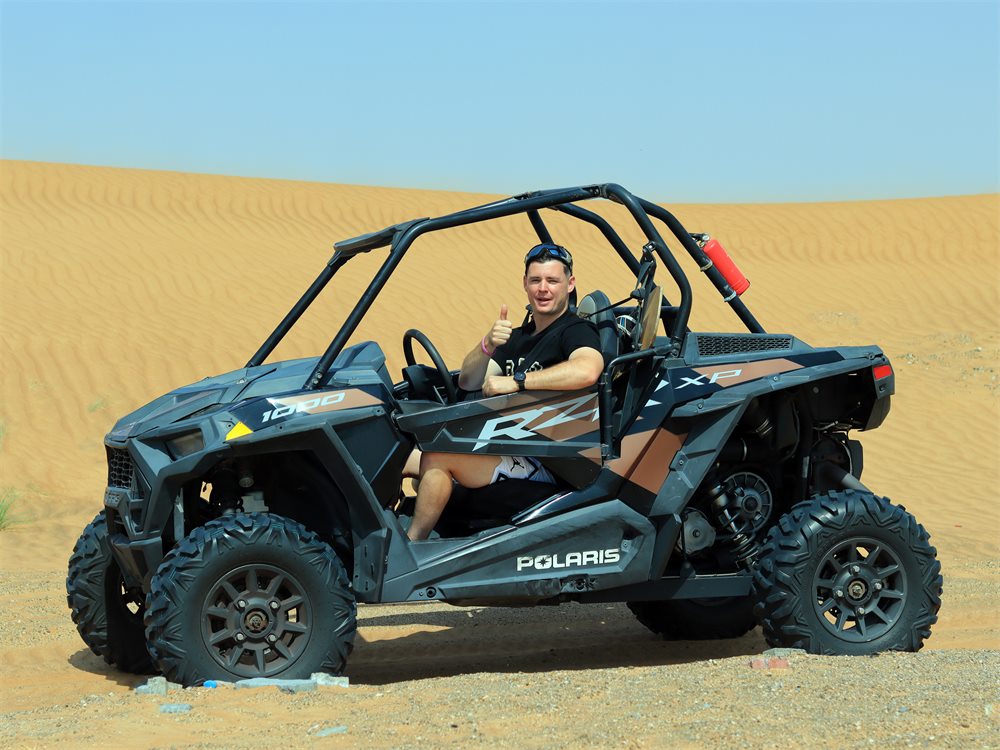
Make the choice with a calm checklist in mind
By this stage, the decision should feel more grounded. The right option is usually the one that matches the riders, explains the route, takes safety seriously, and answers direct questions without pressure. A good fit does not need to be the longest ride or the boldest advert. It needs to be clear, manageable, and appropriate for the people taking part.
For a final comparison, keep these points close: rider suitability, route style, safety briefing, equipment condition, and booking clarity. If one option handles these well, it is likely to give a better experience than one that only sounds exciting. Quad biking around Dubai can be highly enjoyable when the basics are right. Careful selection at the start helps the day feel smooth, focused, and worth the travel from Barsha Heights or elsewhere in the city.
The business associated with this article is Quad Biking Dubai and Dune Buggy Ride, located at DAMAC Smart Heights - G Floor Office R6 Al Saef 2 street - Al Thanyah First - Barsha Heights - Dubai - United Arab Emirates.